Comprehensive Artificial Grass Solutions for the DFW Metroplex
The Dallas-Fort Worth Metroplex is one of the fastest-growing metropolitan regions in the United States, and that rapid expansion brings with it an increasing demand for landscaping solutions that are both aesthetically impressive and operationally efficient. Tour Greens Dallas specializes in artificial grass installations that meet the needs of this dynamic market, serving residential homeowners, commercial developers, municipal facilities, and property management companies across North Texas. Our synthetic turf products represent the latest generation of landscape technology, combining realistic visual appeal with engineered performance characteristics that outperform natural grass in virtually every measurable category.
From newly constructed homes in master-planned communities like Prosper, Celina, and Forney to established commercial corridors in Plano, Richardson, and Irving, we design and install artificial grass systems tailored to each property's specific requirements. Our DFW-based design consultants evaluate your site conditions, discuss your goals and budget, and present a detailed proposal that outlines materials, timeline, and expected outcomes. The result is a turnkey installation backed by industry-leading warranties and supported by a local team that remains available for service and maintenance long after the project is complete. Contact Tour Greens Dallas at 214-367-5313 to begin planning your artificial grass project today.
Residential Artificial Grass Solutions
Homeowners throughout the DFW Metroplex are embracing artificial grass as a practical, attractive alternative to the constant upkeep that traditional North Texas lawns demand. The region's volatile weather patterns, which cycle between prolonged dry spells and sudden heavy rains, create conditions where natural turf either browns out from lack of water or develops disease from overwatering. Our residential synthetic turf installations provide a permanently green, uniform surface that adapts to any DFW neighborhood aesthetic, from the manicured suburban lots of Frisco and Allen to the expansive acreage properties of Argyle and Bartonville.
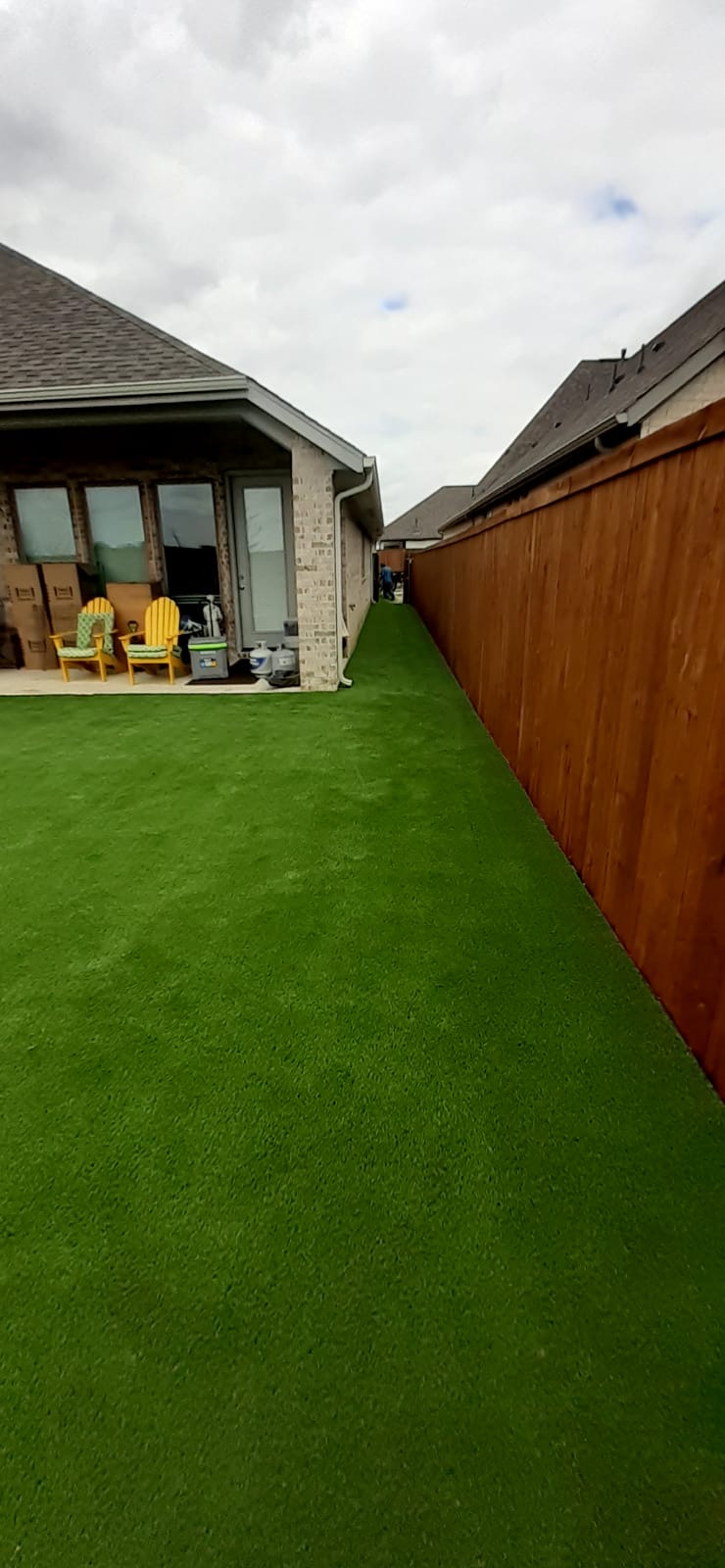
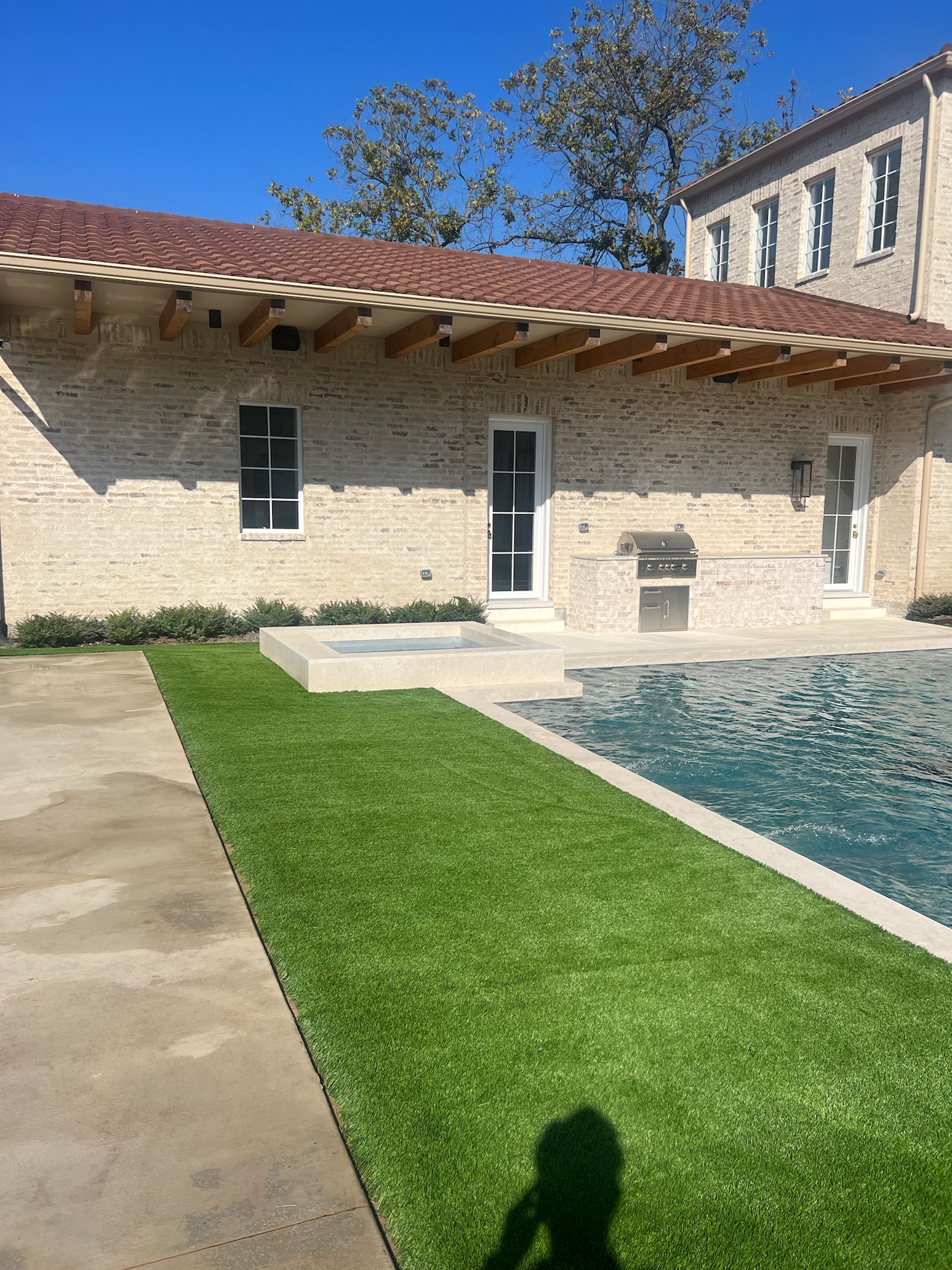
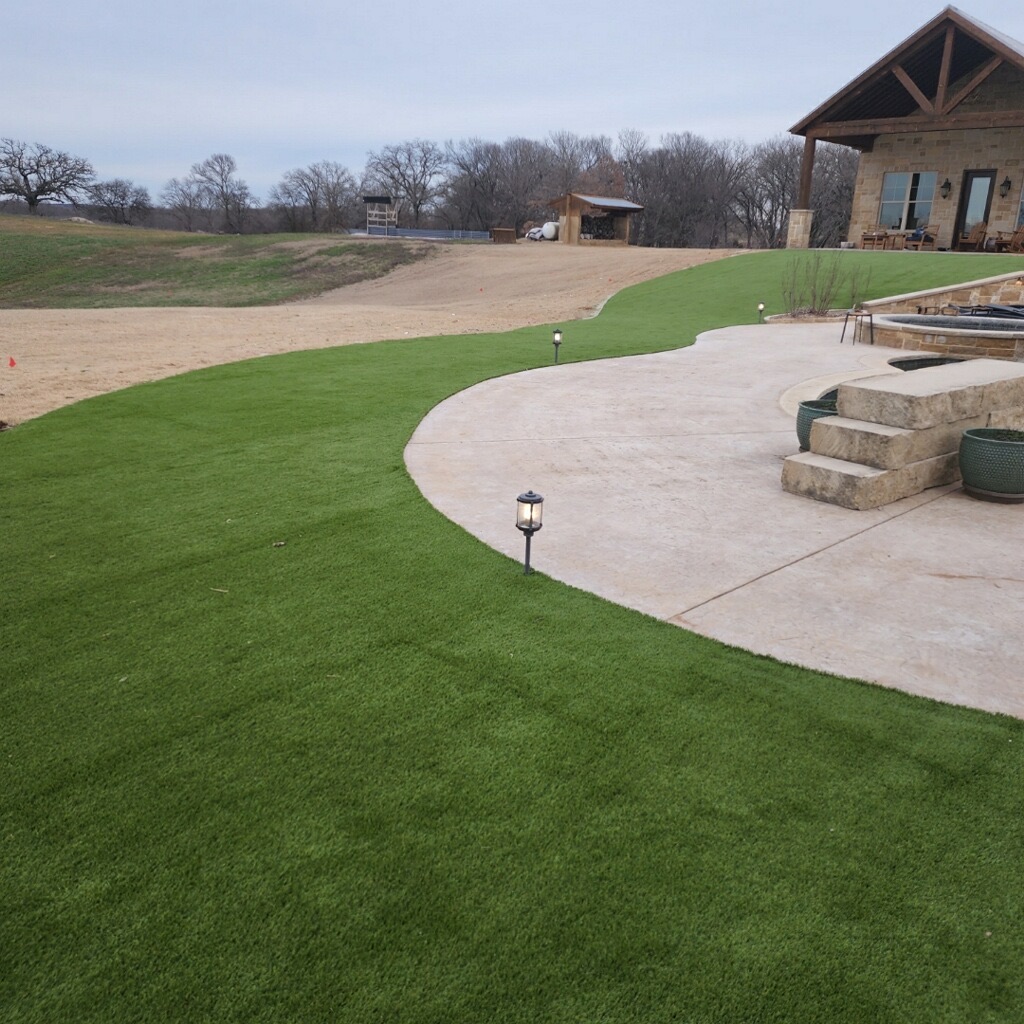
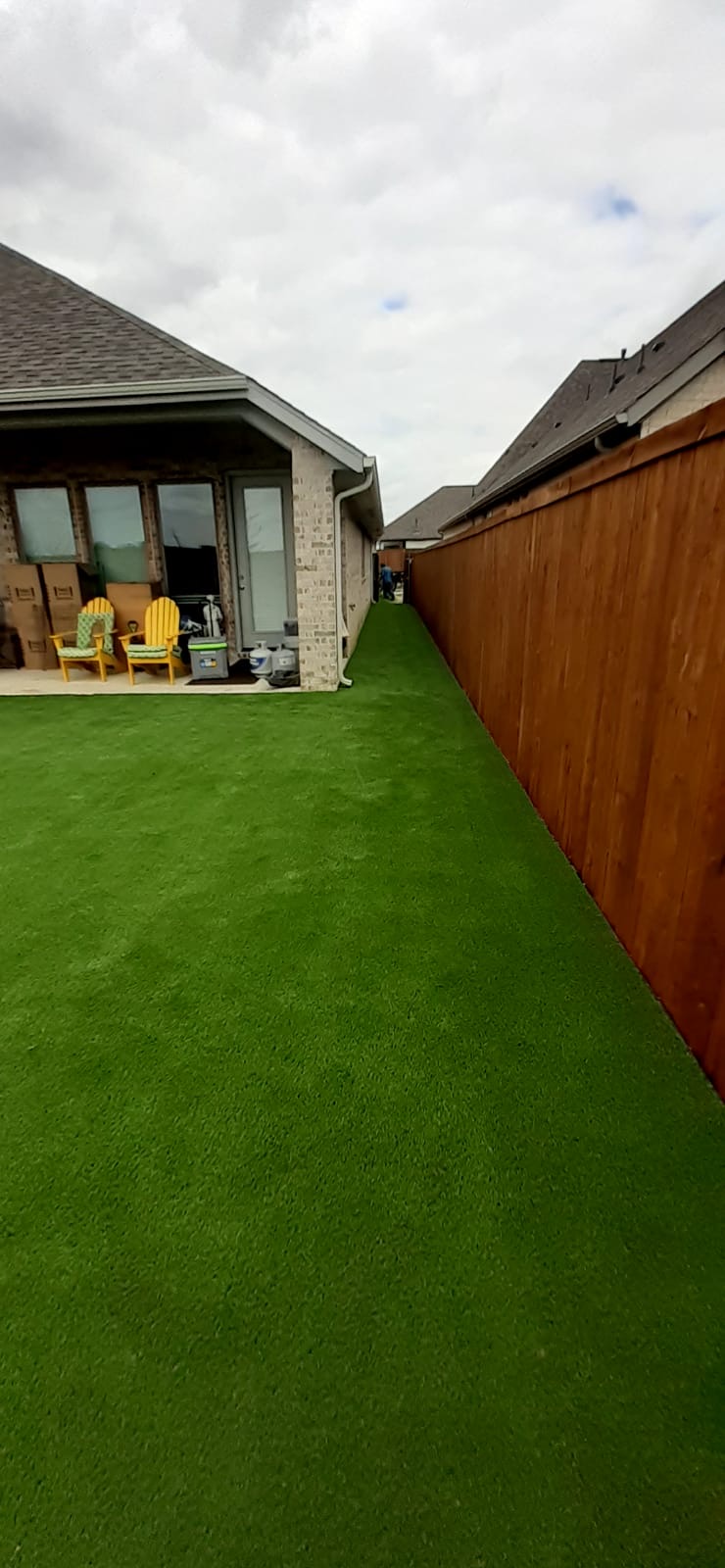
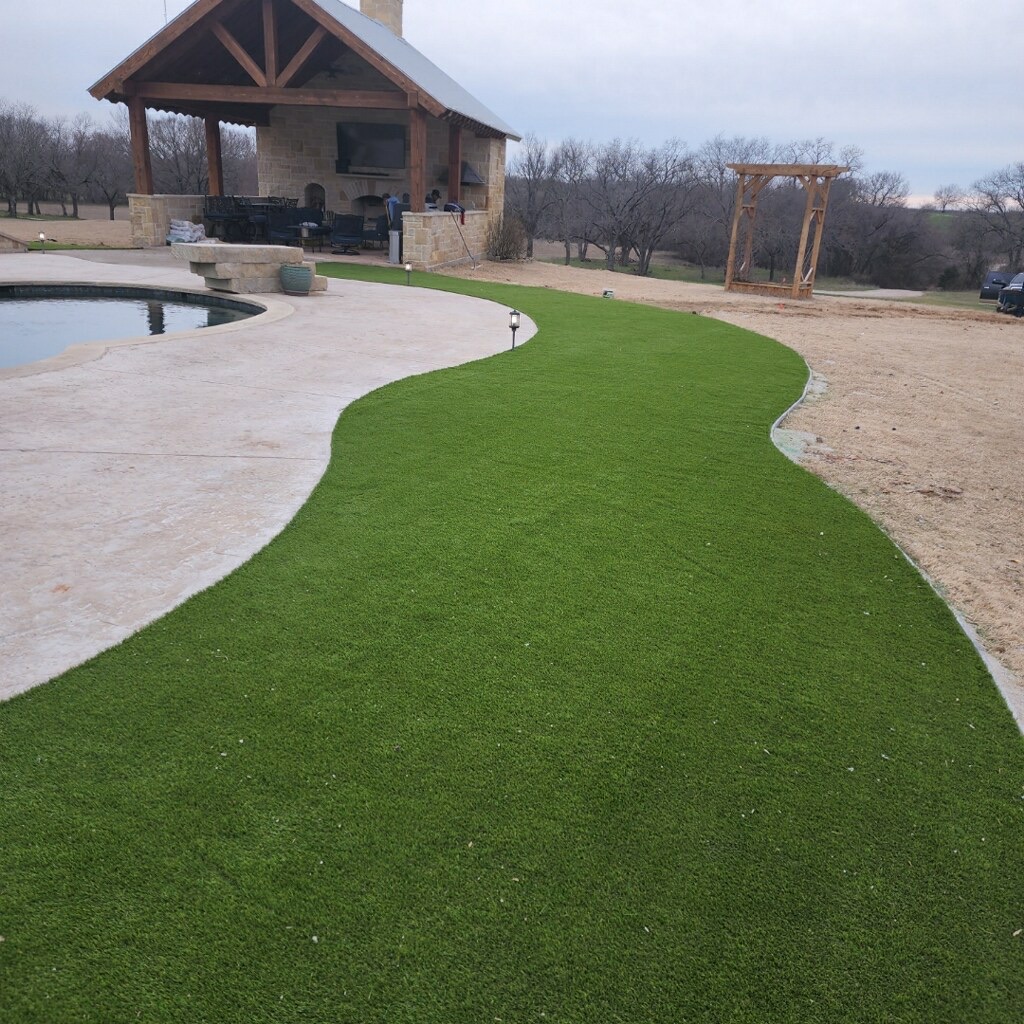
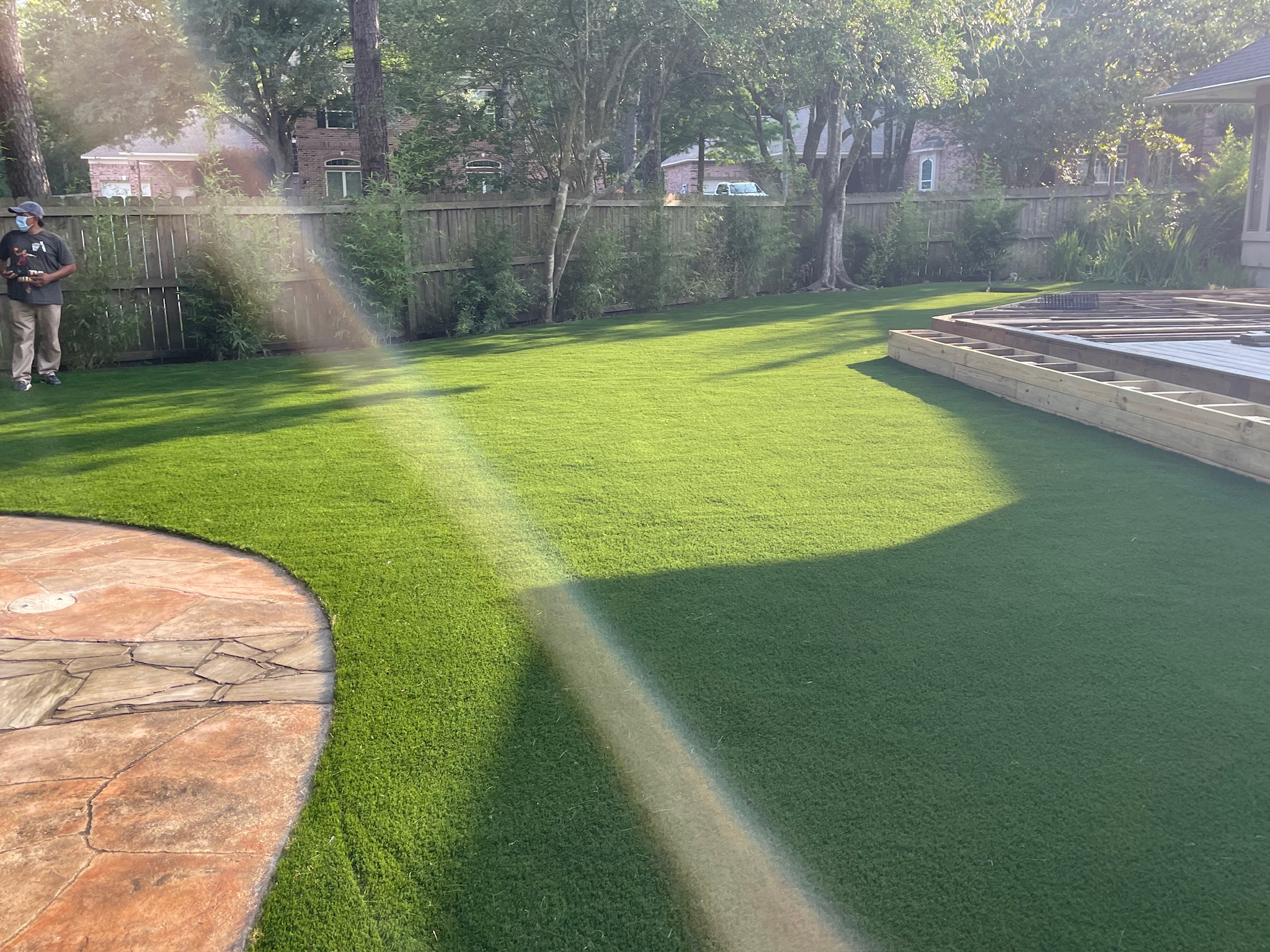
Tour Greens Dallas designs residential turf systems for every outdoor application imaginable. Front yard installations create instant curb appeal that never fades, never develops weeds, and never requires a mowing service. Backyard transformations incorporate dedicated zones for entertaining, cooking, and relaxation alongside functional pet relief areas and children's play spaces. We configure turf around existing hardscape features such as patios, fire pits, outdoor kitchens, and water features to create cohesive outdoor living environments. For properties governed by homeowners associations, our products meet or exceed the appearance standards set by virtually every HOA in the DFW region, and we provide documentation and specifications that simplify the approval process for homeowners navigating architectural review committees.
Commercial and Institutional Turf Solutions
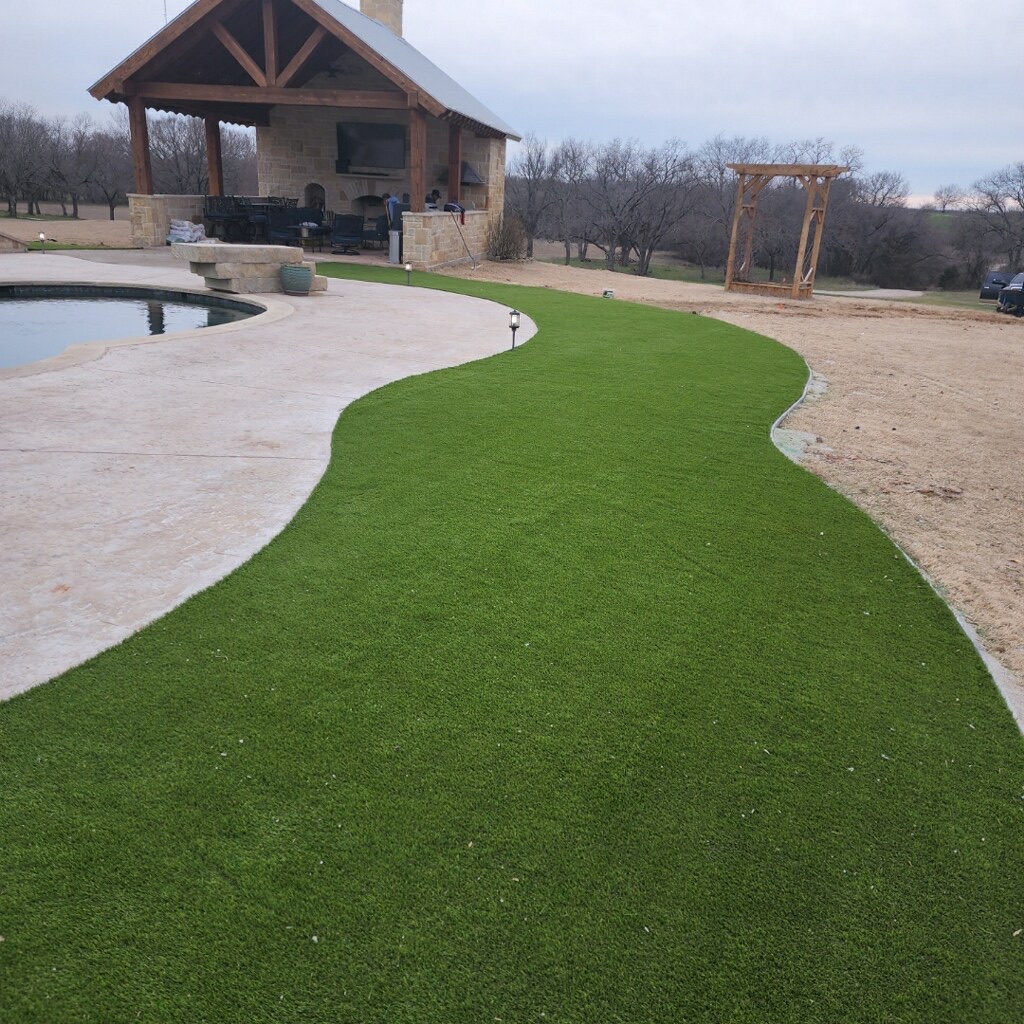
The DFW commercial real estate market demands properties that project professionalism and quality while keeping operating expenses under control. Tour Greens Dallas partners with property managers, facility directors, and landscape architects to replace high-maintenance natural grass areas with commercial-grade synthetic turf that slashes grounds maintenance budgets by 60 to 80 percent annually. Corporate campuses in Las Colinas, office complexes along the Dallas North Tollway, and mixed-use developments in Legacy West are among the many commercial properties that have made the switch to our artificial grass products.
Beyond traditional commercial landscaping, we provide specialized turf installations for institutional and recreational clients across North Texas. School districts from Denton ISD to Rockwall ISD trust our playground turf systems to provide safe, durable, and low-maintenance surfaces for elementary school recess areas and early childhood centers. Municipal parks departments install our synthetic turf on high-use athletic fields, walking trails, and community gathering spaces where natural grass cannot withstand the volume of daily foot traffic. Event venues, wedding locations, and hospitality properties throughout the Metroplex use our turf to create versatile outdoor spaces that look camera-ready for every occasion, regardless of recent weather or seasonal conditions.
Product Technology and Material Innovation
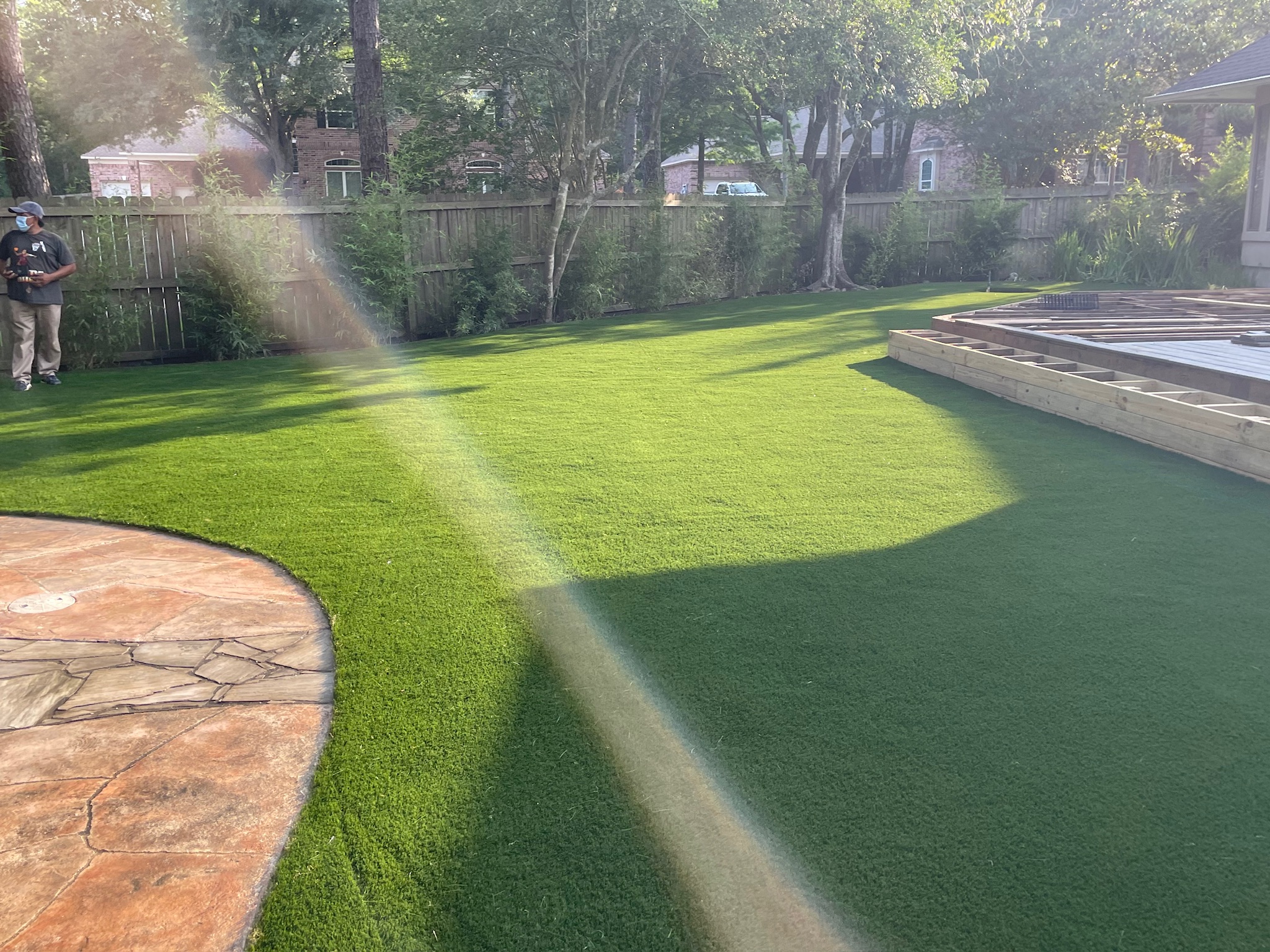
Tour Greens Dallas carries an extensive catalog of synthetic turf products sourced from the industry's most reputable manufacturers, each engineered for specific applications and performance requirements. Our landscape-grade turf lines feature multi-colored polyethylene monofilament fibers with integrated thatch layers that replicate the color variation and visual texture of healthy natural grass with remarkable accuracy. Sport and recreation turf products use higher-density tufting patterns and resilient nylon-blend fibers designed to withstand the abrasion and impact forces associated with athletic activities and heavy foot traffic.
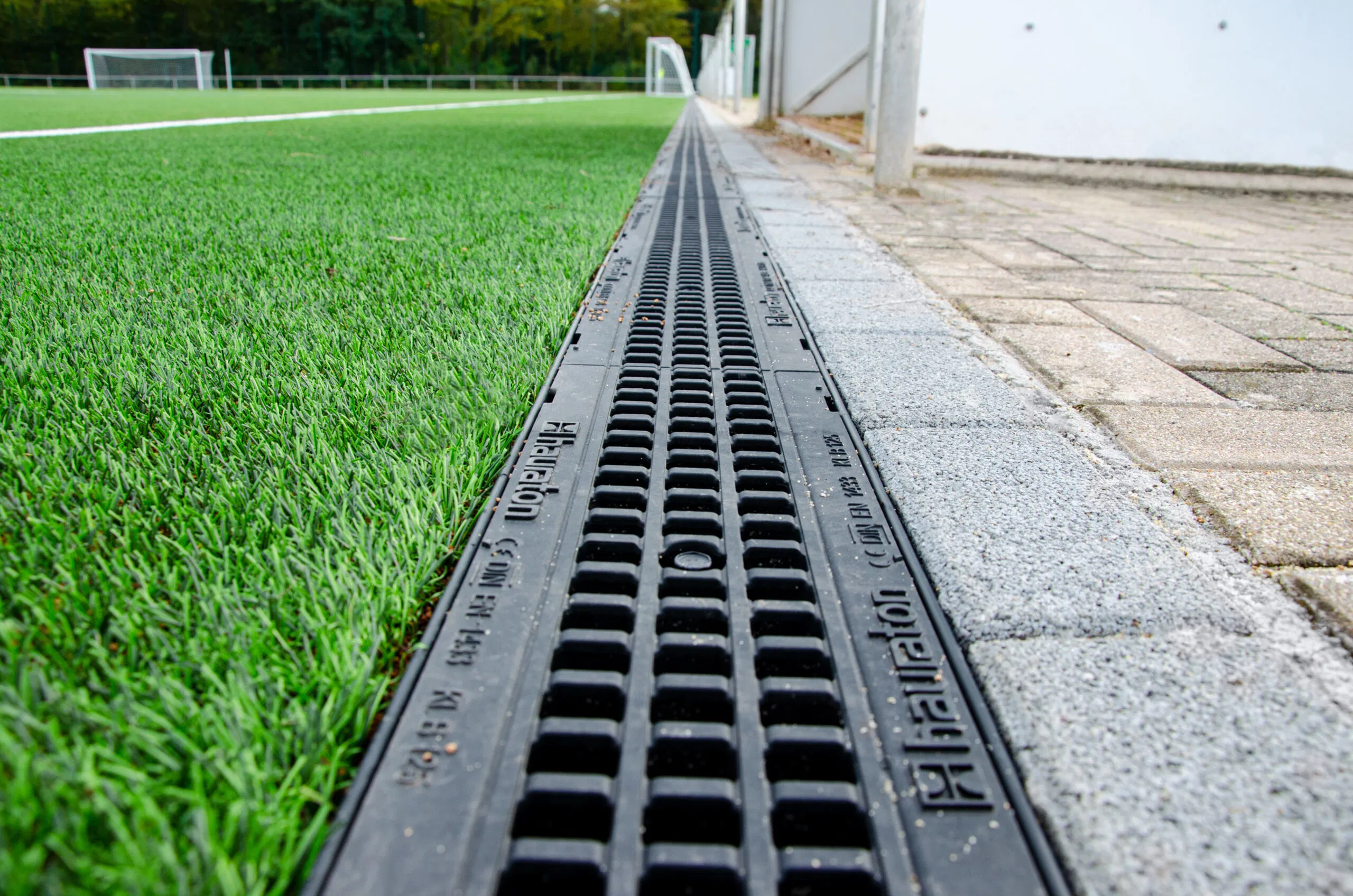
Every turf product in our lineup incorporates UV stabilization that protects against the intense solar radiation common across the DFW region, where surfaces can receive direct sunlight for 10 or more hours daily during summer. Our backing systems combine woven and non-woven fabric layers with polyurethane or latex coatings for maximum dimensional stability and tear resistance. Perforation patterns in the backing facilitate drainage at rates well above the intensity of any storm the DFW area typically experiences, and our infill options range from silica sand for standard landscape applications to temperature-reducing organic and coated products for areas where barefoot comfort is a priority. We guide every client through the product selection process, explaining the trade-offs between different fiber types, pile heights, densities, and infill systems so they can make an informed decision matched to their goals and budget.
The Eco-Friendly Case for Artificial Grass in DFW
As the DFW Metroplex continues to grow, so does the pressure on regional water infrastructure and natural resources. Artificial grass offers a tangible way for individual homeowners and large-scale commercial operators alike to reduce their environmental footprint. North Texas water authorities have long encouraged residents to minimize outdoor irrigation, and synthetic turf delivers on that goal completely by eliminating the need for any supplemental watering. A single residential conversion from natural grass to artificial turf saves an estimated 44,000 to 70,000 gallons of water per year depending on lawn size and irrigation habits.
The environmental benefits extend well beyond water conservation. Artificial grass removes the need for petroleum-based fertilizers whose manufacturing process generates significant greenhouse gas emissions before they even reach your lawn. It eliminates herbicide and pesticide applications that can harm beneficial pollinators, contaminate soil, and enter the regional water table. Weekly mowing with gas-powered equipment produces carbon monoxide, volatile organic compounds, and particulate matter that degrade local air quality across densely populated DFW communities. By choosing artificial grass, property owners across North Texas contribute to cleaner air, healthier waterways, and a more sustainable future for the entire Metroplex.
Our Work
Frequently Asked Questions About Artificial Grass in the DFW Metroplex
How do different artificial turf materials compare, and which is best for my DFW property?
The three primary fiber materials used in modern artificial grass are polyethylene, polypropylene, and nylon, and each serves a different purpose. Polyethylene is the most popular choice for residential landscapes and general commercial use because it offers a soft, natural feel combined with excellent UV resistance and durability. Polypropylene is the most affordable option and works well for decorative applications, indoor use, and areas with light foot traffic, though it is less resilient under heavy use. Nylon is the strongest and most wear-resistant fiber, making it the preferred choice for sport courts, putting greens, and high-traffic commercial installations. Many of our DFW projects use blended products that combine polyethylene field fibers with nylon or polypropylene thatch for a realistic appearance backed by outstanding performance. Our design team evaluates your property's specific use patterns and recommends the material combination that delivers the best balance of aesthetics, durability, and value.
What factors influence the cost of an artificial grass installation in the DFW area?
Several variables determine the total investment for an artificial turf project in North Texas. The most significant factor is the square footage of the installation area, as material costs scale directly with size. The type and grade of turf product selected also impacts pricing, with premium landscape fibers costing more than basic recreational or decorative options. Site preparation requirements play a substantial role as well: properties with existing sod that needs removal, poor drainage that requires regrading, or challenging access conditions will have higher preparation costs than a flat, accessible site with good soil. Additional features such as custom edging or borders, putting green contours, sport court line markings, or fall-rated playground padding add to the project total. We provide transparent, itemized proposals that break down every cost component so you know exactly what you are investing in, and we offer flexible financing options to make projects of any size accessible to DFW homeowners and businesses.
What fire rating do your artificial turf products carry?
All of the synthetic turf products we install across the DFW Metroplex meet Class 1 fire rating standards as tested under ASTM E108, which is the same fire classification required for roofing materials. This means the turf will not ignite from typical exposure to embers, sparks, or radiant heat from nearby fire sources. The polyethylene and nylon fibers used in our products are formulated with fire-retardant additives that cause the material to melt and self-extinguish rather than sustain combustion. While no outdoor surface is completely fireproof, our turf products provide a level of fire resistance that meets building codes and insurance requirements throughout Texas. We advise clients to keep fire pits, portable grills, and fireworks at a safe distance from turf surfaces to prevent localized melting or discoloration.
Is artificial turf ADA compliant for commercial and public installations?
Yes, our artificial grass products can be installed in configurations that comply with the Americans with Disabilities Act accessibility guidelines. The key factors for ADA compliance are surface firmness, stability, and slip resistance, all of which our turf systems provide when installed according to our specifications. We use short-pile, high-density turf with compacted aggregate sub-bases for wheelchair-accessible pathways, ramps, and gathering areas, ensuring that the surface is firm enough for wheeled mobility devices while still providing comfortable cushioning for ambulatory users. Our DFW installation team has experience working with architects, landscape designers, and accessibility consultants to ensure that public-facing projects meet all applicable federal, state, and local accessibility requirements.
Does artificial grass help reduce allergens for DFW residents?
Artificial turf provides significant relief for allergy sufferers across the DFW area, where grass pollen counts rank among the highest in the nation during spring and fall. Natural grass lawns are a primary source of airborne pollen that triggers seasonal allergic rhinitis, asthma attacks, and other respiratory symptoms in sensitive individuals. Synthetic grass produces zero pollen, immediately eliminating one of the most common allergen sources on your property. Additionally, artificial turf does not harbor the mold spores, dust mites, and organic debris that accumulate in natural grass thatch and topsoil layers. Families who make the switch frequently report noticeable improvements in their outdoor comfort and indoor air quality, as less pollen and organic particulate matter is tracked inside on shoes and pet paws.
What happens to artificial grass at the end of its useful life, and can it be recycled?
Responsible end-of-life management is an important consideration for environmentally conscious DFW property owners, and the artificial turf industry has made significant progress in this area. When a synthetic turf installation reaches the end of its 15-to-20-year service life, the material can be removed and processed through specialized recycling facilities that separate the polyethylene and polypropylene fibers from the backing materials. The recovered polymers are cleaned, pelletized, and reprocessed into new plastic products including playground equipment, landscape timbers, automotive components, and construction materials. Tour Greens Dallas works with regional recycling partners to ensure that decommissioned turf from our installations is diverted from landfills whenever possible. We also facilitate turf donation programs where gently used turf removed during upgrades can be repurposed for community gardens, animal shelters, and nonprofit organizations throughout the DFW Metroplex.